
How Texas Anglers Are Helping Save a Shark Species

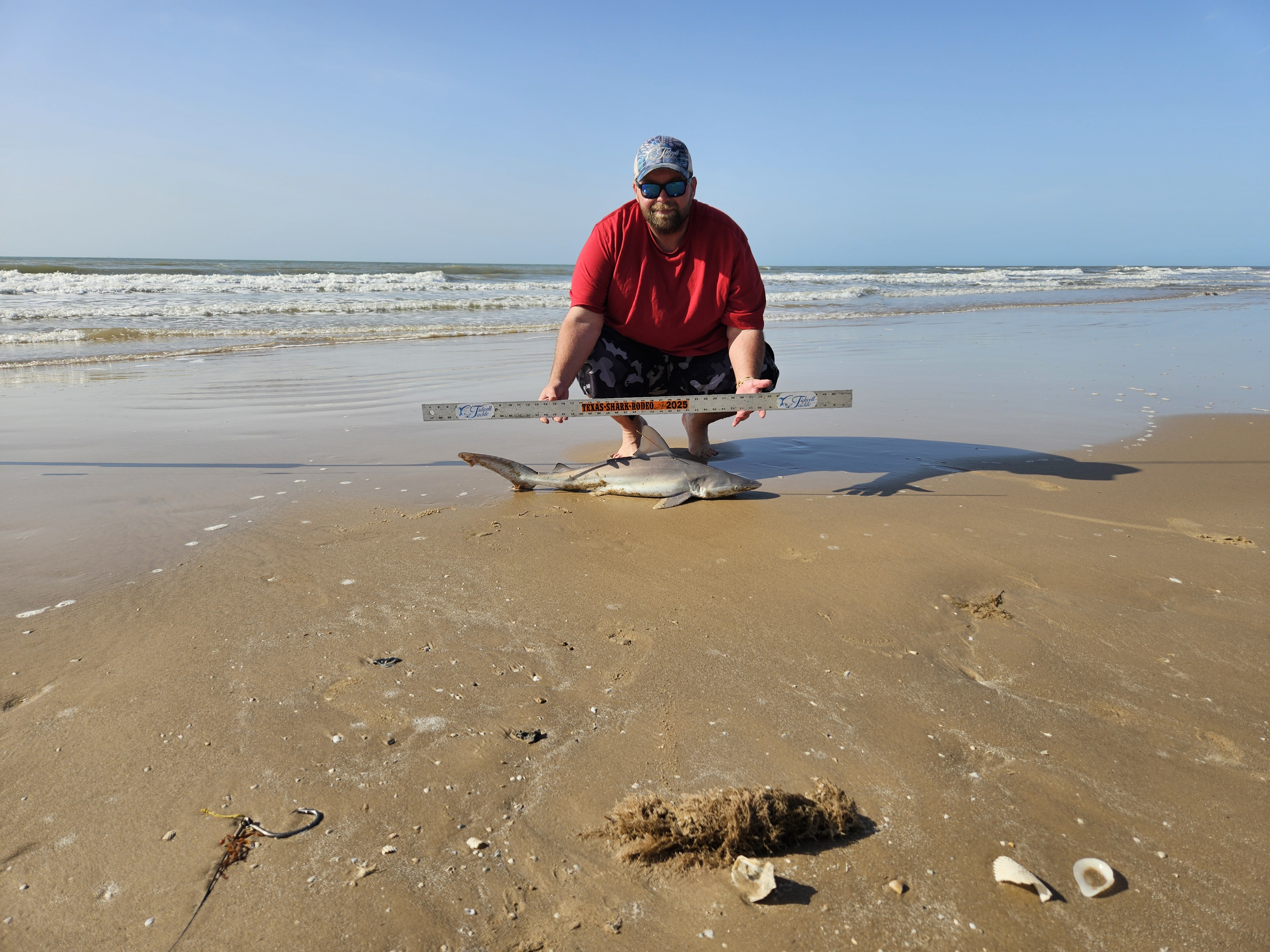
Photo credit: Donnie Tidwell with Texas Shark Rodeo
Shark Week is known for showcasing the ocean’s most fascinating predators, but behind the television specials are scientists working year-round to answer critical questions about shark conservation. At the Harte Research Institute at Texas A&M University-Corpus Christi, researchers are leading efforts to better understand the sharks that call the Gulf home, partnering with recreational anglers and coastal communities to uncover discoveries that could shape the future of shark conservation. This Shark Week, one of the most compelling stories isn’t about the largest or fiercest shark — it’s about one of the Gulf’s most overlooked species.
When most people think of sharks in the Gulf, they picture iconic predators like hammerheads, tiger sharks, or lightning-fast makos. But one of the Gulf’s most important shark species rarely gets the spotlight.
Meet the sandbar shark.
Recognizable by its tall, triangular dorsal fin and stocky build, sandbar sharks are considered among the most common large sharks found in the Gulf. However, the reality is that they are actively rebuilding their stocks after significant population depletion. They spend most of their time in shallow coastal waters over sandy bottoms, but what makes them uniquely susceptible to population depletion is how slowly they grow.
Like many sharks, sandbar sharks take a long time to mature. Males typically reach maturity between 13 and 16 years of age, and while females take even longer maturing at 14 to 17 years. Females also reproduce slowly, giving birth only every two to three years. This slow pace of growth means that sandbar sharks are highly susceptible to overexploitation of their population.
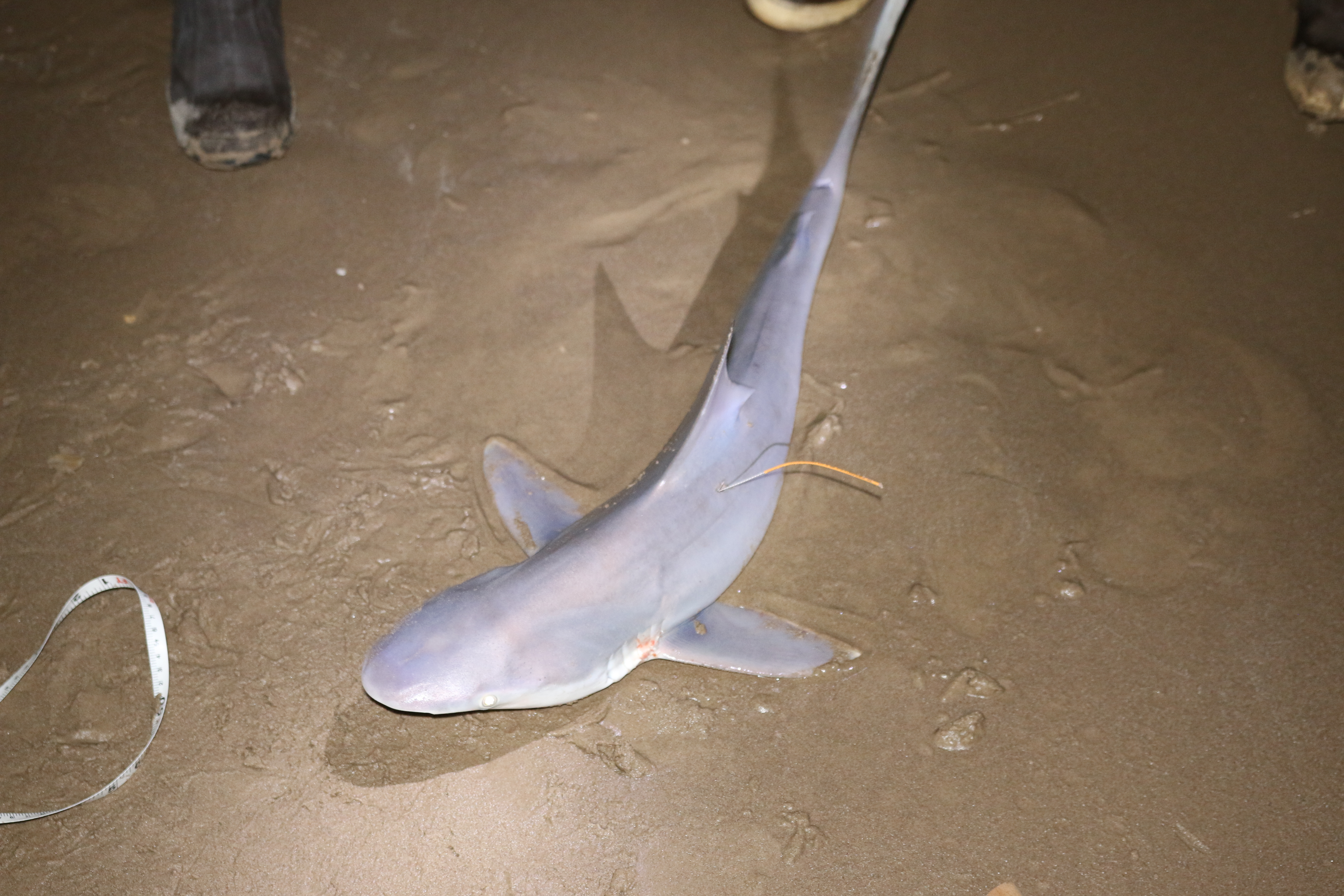
Photo credit: Center for Sportfish Science and Conservation
Because of this risk, sandbar shark nurseries are extremely important. These rare coastal habitats serve as safe places where newborn and young sharks can grow during the first few years of life before venturing into deeper Gulf waters. Finding and protecting these nurseries is critical because healthy nursery habitat gives young sharks the best chance to survive into adulthood.
Sandbar sharks haven't always had that chance. For decades, they were the primary target of the U.S. commercial shark fishery, and decades of heavy fishing caused their populations to decline. Due to this, fisheries were closed in 2008 in hopes of giving the species an opportunity to recover.
While the closure of the fisheries has been an important step for conservation, it also limited the ability for scientists to gather new data. Valuable information about reproduction, litter size, and population health became much harder to collect. This data is essential for understanding how the population is recovering and for making informed management decisions.
Today, researchers are turning to an unexpected group of partners to help fill those knowledge gaps - citizen scientists. Through the Texas Shark Rodeo, an annual catch-photo-release tournament, recreational anglers are helping scientists better understand shark populations along the Texas coast. Since 2014, participants have submitted more than 13,000 shark records, correctly identifying species more than 97% of the time. Sandbar sharks are the third most recorded species, providing researchers with an invaluable long-term dataset that would be difficult to collect any other way.
These observations are helping researchers uncover if in fact Texas coastal waters are a critical nursery area for sandbar sharks. Scientists define a shark nursery by looking for three important patterns, higher numbers of young sharks compared with nearby areas, evidence that sharks remain in or return to the same location, and repeated use of the habitat over time. With more than a decade of observations from these critically important citizen scientists, researchers are gaining new insight into how sandbar sharks use Texas waters and whether these areas may help support the species' recovery.
The discovery of a viable sandbar shark nursery along the Texas coast is notable - until this study, only one nursery had been described in the Gulf, off the west coast of Florida in 1999. Without nurseries that provide sheltered, nutrient-rich coastal habitats where newborn and juvenile sharks can avoid predators, feed, and grow, shark populations will continue to struggle to recover.
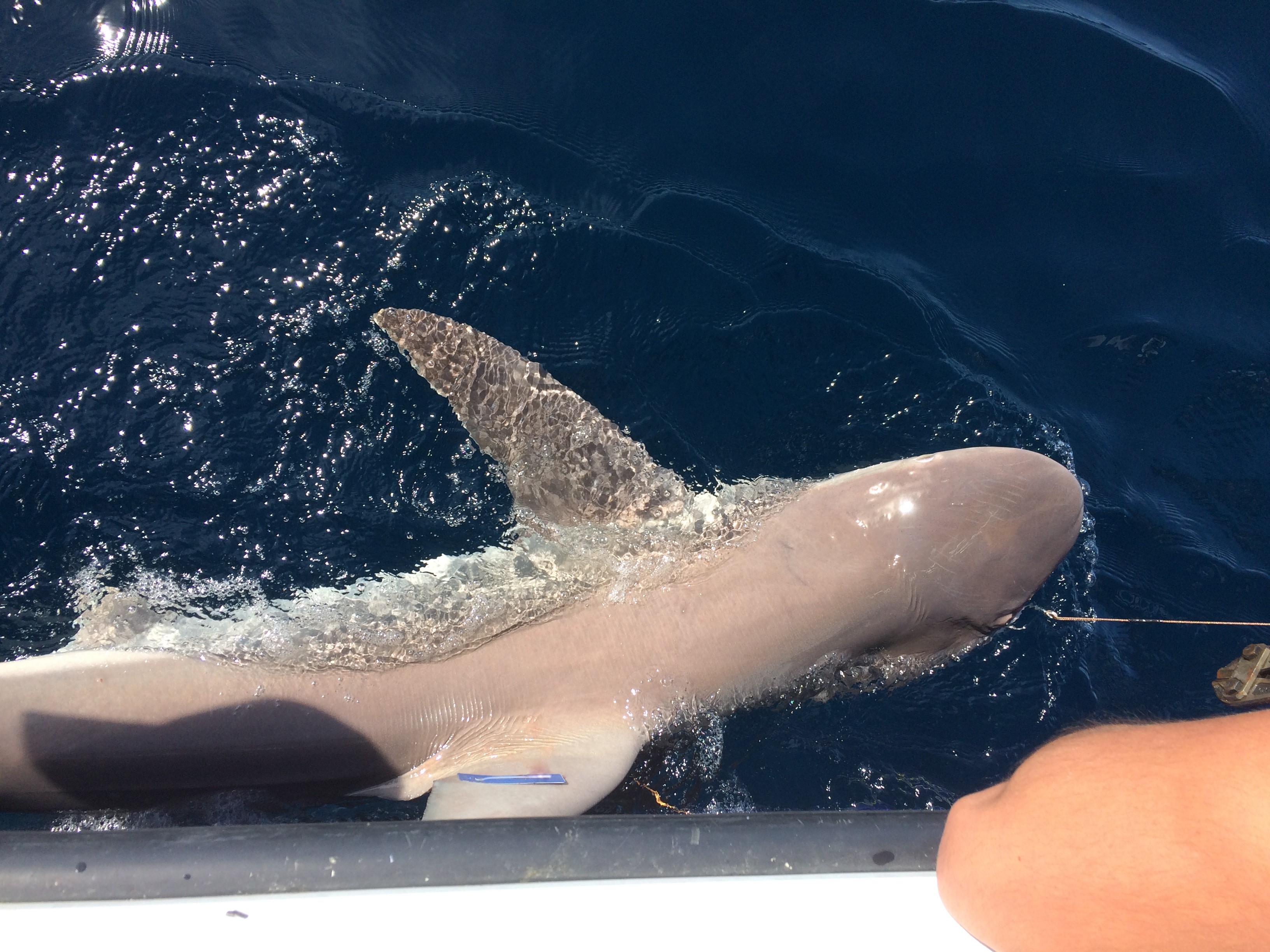
Photo credit: Center for Sportfish Science and Conservation
This Shark Week, as audiences celebrate the ocean’s most iconic predators, remember that some of the most important shark stories are unfolding right here along the Texas coast. Through cutting-edge research, dedicated citizen scientists, and the protection of critical nursery habitats, we’re gaining the knowledge needed to help ensure sandbar sharks remain part of the Gulf’s ecosystem for generations to come.